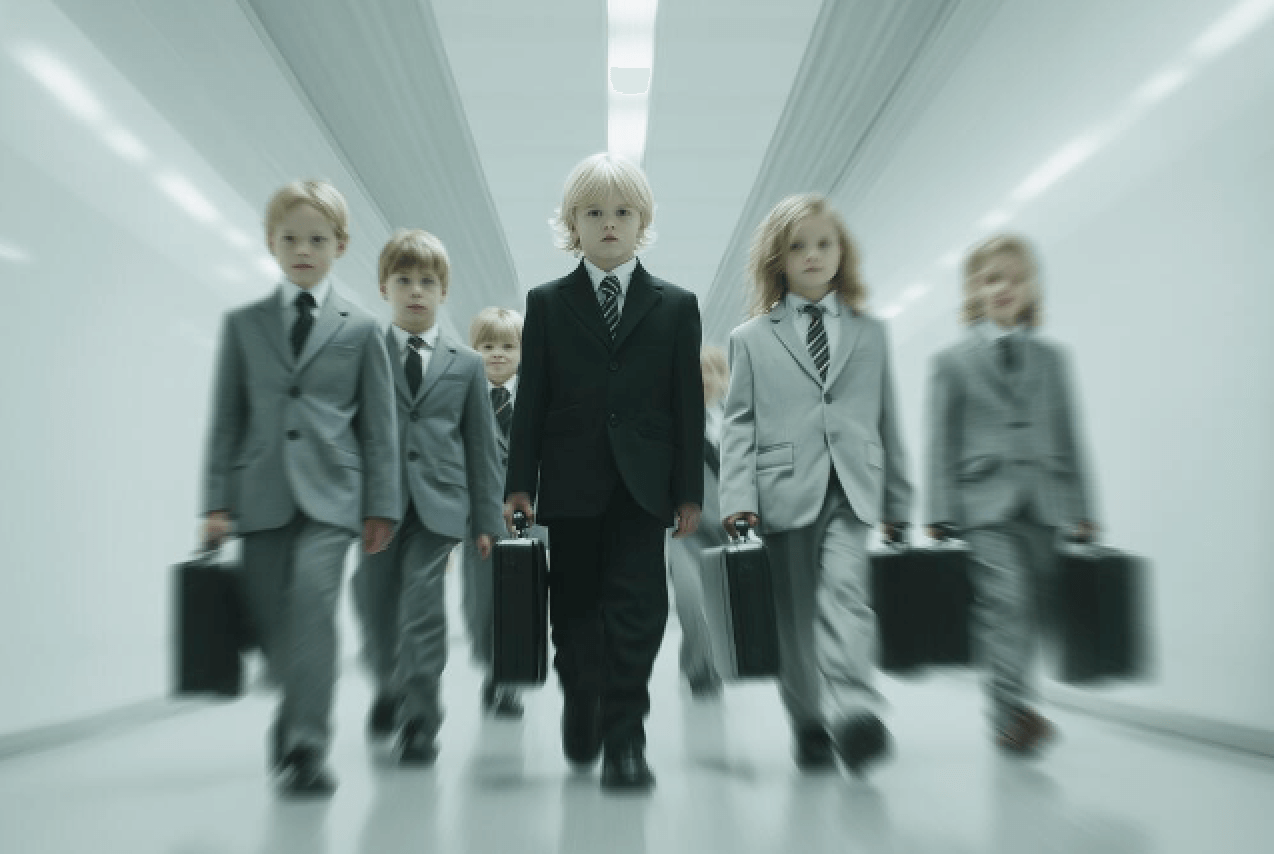

Recently, I read that today’s children may be the most anxious generation in history.
At first glance, this seems paradoxical.
Never before have children received so much attention, protection, and opportunity.
So what is going on?
In my counseling, I repeatedly observe a few common patterns:
1️⃣ Over-scheduled lives
Many children move from one structured activity to the next – sports, music lessons, martial arts, tuition.
Every hour optimised. Every talent maximised.
But where is the unstructured time?
The boredom that fuels creativity?
The space for emotional processing and recovery?
Without mental downtime, the nervous system never truly resets.
2️⃣ Substituted presence
Parents today carry enormous professional and social responsibilities.
Quality face-to-face time often shrinks – and screens quietly fill the gap.
Social media presents curated perfection – children absorb the message: I must measure up.
The pressure to maintain an idealised identity creates silent stress.
3️⃣ A world too big to hold
Climate change. Economic instability. Political unrest.
Children today have real-time access to global crises. The awareness without any guidance easily turns into helplessness.
And helplessness feeds anxiety.
4️⃣ Emotional disconnection at home
Surprisingly, the core issue is often not academic pressure – but emotional distance.
When meaningful conversations are rare, children lack modelling for emotional regulation.
Without guidance, they struggle to process fear, disappointment, or uncertainty.
Resilience is not automatic. It is the result of experience, learning and trust.
So what can we do?
✔️ Learn to regulate our own anxiety to avoid passing it on.
✔️ Reduce unnecessary performance pressure.
✔️ Allow children to discover their strengths at their own pace.
✔️ Listen – truly listen – without judgement.
✔️ Validate their feelings while offering broader perspectives.
Children do not need perfect parents. They need emotionally available ones.
Do these observations resonate with you?
Sometimes an outside perspective helps families reconnect in ways they didn’t think possible.